
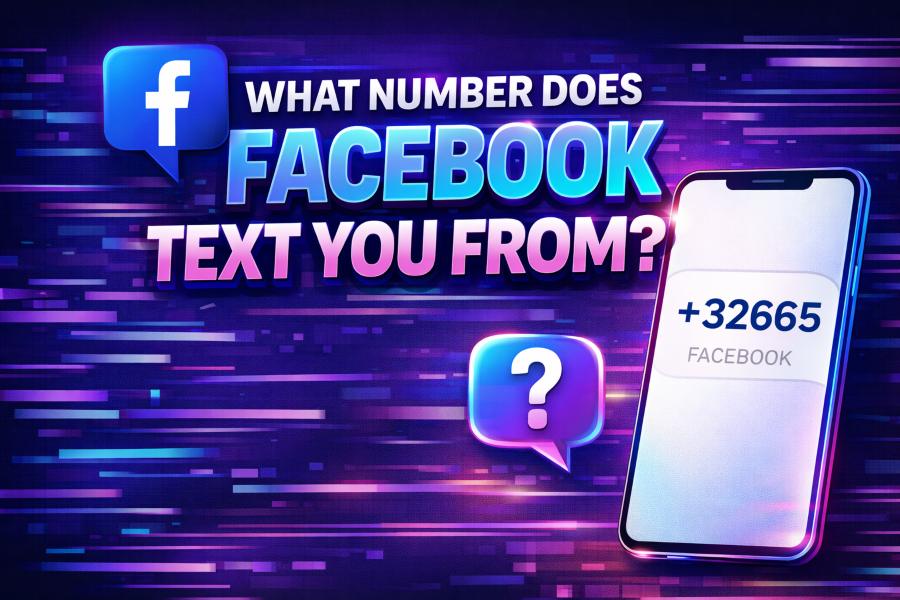
If you have ever requested a verification code from Facebook, you may have been curious about the number it texts you from. Facebook uses various phone numbers to send these codes, and sometimes the unfamiliar number can cause confusion.
In this article, we will clarify what number Facebook texts you from, why it uses multiple numbers, and how you can troubleshoot if you don’t receive your code. Whether you’re trying to log in, reset your password, or verify your identity, understanding this system is key to ensuring smooth account access.
What Number Does Facebook Text You From?
When Facebook sends a verification code, it does so from a variety of phone numbers. These numbers typically aren’t tied directly to your account but are used by Facebook’s automated system to manage the security and delivery of SMS messages. Facebook utilizes both shortcodes (typically 5 or 6 digits) and long phone numbers, depending on factors such as your region and the carrier you use.
For example, you may notice a 5-digit shortcode from Facebook or a regular long number. Facebook uses these numbers to help distribute verification codes efficiently, ensuring that users receive the code they need for account access, no matter where they are located.
If you’re receiving codes from unfamiliar numbers, don’t worry — this is normal. These numbers are secure and part of Facebook’s established system designed to enhance your account security.
Why Does Facebook Use Multiple Numbers?
Facebook’s use of different phone numbers for sending SMS codes is mainly due to the need to manage large volumes of SMS requests from users worldwide. The sheer scale of Facebook’s operations means that using a single number would not be practical. Multiple numbers are employed to prevent delays and ensure the system operates efficiently during peak usage times.
Additionally, using a range of numbers helps to avoid message delivery failures. If a particular number is flagged by a carrier or blocked due to excessive messages, Facebook can switch to another number. This strategy ensures that the service remains seamless for users and verification codes continue to be delivered without issue.
Understanding how these numbers work is crucial for recognizing legitimate messages from Facebook and avoiding falling victim to phishing attempts. To help you with this, you can check out Facebook’s official help page.
How to Identify Legitimate Facebook SMS Codes
It’s important to recognize when a message from an unfamiliar number is legitimate. Facebook will always include specific details in its verification messages, such as a code and a note explaining what the code is for. If you receive a message that asks for personal information like your password or requests you to click on a link, it is likely a phishing attempt.
Here are some steps to help you identify a legitimate SMS from Facebook:
- Check the Sender’s Number: Legitimate messages will come from a number that Facebook uses for SMS delivery, either a short code or a regular phone number.
- Message Content: Facebook will never ask for your password via SMS. The message will simply contain a verification code for you to use during the login process.
By following these steps, you can rest assured that you are not being scammed and that the message is coming from Facebook. For further security tips, visit Facebook’s help section.
Troubleshooting: Not Receiving Facebook Verification Codes
There are a few common reasons why you may not be receiving Facebook verification codes. One possibility is a poor or unstable network connection. If this happens, make sure your phone has a stable connection to the network and that you’re not in a location with poor reception.
Another issue could be your phone’s settings, which might block unknown numbers or messages from unfamiliar sources. Make sure that your phone is set up to allow messages from unknown numbers to be delivered. You should also check your spam folder in case the code was mistakenly filtered.
If you still haven’t received your code after a few minutes, try requesting a new one or use Facebook’s Code Generator. This feature can be accessed through the mobile app and will generate a code for you directly. For more troubleshooting advice, you can get a clue from why is my instagram glitching
Facebook’s Alternative Verification Methods
If SMS verification isn’t working for you, Facebook offers several alternative methods for account verification. One option is to use Facebook’s Code Generator feature, available within the Facebook mobile app. The Code Generator provides a unique verification code without needing SMS, making it a great backup option.
Alternatively, Facebook also allows users to verify their identity using an email address. If you don’t get the code on your phone, you can opt to have the code sent to your registered email. This adds flexibility and ensures that you can always verify your account, even if SMS verification fails.
The Importance of Two-Factor Authentication (2FA)
Enabling two-factor authentication (2FA) on your Facebook account adds an extra layer of security. With 2FA, you’ll be required to enter a verification code every time you log into Facebook, in addition to your password. This means that even if someone obtains your password, they won’t be able to access your account without the code.
Setting up 2FA on Facebook is simple and provides added peace of mind. You can choose to receive your code via SMS, or you can use an authentication app to generate codes. It’s highly recommended to enable 2FA to prevent unauthorized access to your account.
What to Do If You Don’t Recognize the Number
It’s completely normal to be concerned if you receive a verification code from an unfamiliar number. However, in the case of Facebook’s verification codes, these numbers are often used specifically for account security purposes. If you’re not sure whether the message is legitimate, don’t respond directly to the text.
Instead, go directly to Facebook’s official website or open the app to verify your account. Facebook will never ask for your password or personal details in an SMS message. Always be cautious and double-check any communications you receive.
Learn more about why word is lagging when I type if you are experiencing a similar situation.
Facebook’s SMS System and Global Reach
Facebook operates globally, meaning the numbers used to send verification codes vary depending on your location. Facebook’s SMS system is designed to adapt to different regions and mobile networks, ensuring that users worldwide can receive their verification codes without issue. Whether you’re at home or traveling abroad, Facebook’s system will automatically adjust to ensure you get the code on time.
In some cases, users may notice that SMS codes are delayed when they’re using non-local phone numbers. This is because Facebook’s SMS system works with regional carriers, and occasional delays may happen due to network issues. However, Facebook ensures that the system is as reliable as possible, regardless of your location.
For additional tips on managing verification codes, visit Facebook’s official security page.
Securing Your Facebook Account for the Future
Once you’ve successfully verified your account, it’s crucial to take steps to secure it further. Enabling login alerts will notify you whenever someone logs into your account from an unrecognized device. This feature provides an extra layer of security and helps you monitor any suspicious activity on your account.
Regularly changing your password and using unique, complex passwords will also help prevent unauthorized access. Additionally, Facebook’s login approvals feature allows you to approve login attempts from unrecognized devices, further enhancing account security.
For a complete guide on securing your Facebook account, check out Facebook’s security features.
Conclusion
In conclusion, Facebook uses a variety of numbers to send SMS verification codes to ensure that you can securely access your account. These numbers may look unfamiliar, but they are part of Facebook’s legitimate system for account verification.
If you’re having trouble receiving your verification code, try troubleshooting your network settings or use Facebook’s alternative methods like the Code Generator or email verification. By following these steps, you can ensure that your account remains safe and secure.